
Chamonix is a phenomenal summer destination offering some of the world’s best hiking, jaw-dropping views, and alpine adventures that outshine their winter counterparts. While most people think of this iconic resort as a winter wonderland, the warmer months turn the Chamonix valley into a playground for hikers, thrill-seekers, and anyone craving the alpine views without the crowds and chill of winter.
Hugging the Haute-Savoie department of the French Alps at a lofty 1,035 metres (3,395 feet), Chamonix is perched at the foot of Mont Blanc – Western Europe’s highest mountain at 4,808 metres (15,774 feet). Its strategic position right at the base of the Mont Blanc massif makes it a natural hub for some of the most spectacular alpine scenery on the planet, and you can easily hop over into France, Italy, and Switzerland.
Summer weather in the valley brings warm, sunny days with temperatures normally ranging from 20–30°C (68–86°F) in July and August. However, those lovely valley temperatures can be a pretty good trick – high-altitude viewpoints like Aiguille du Midi hover near 0–5°C even in midsummer, so don’t go packing a swimsuit just yet. The prime summer season runs from late June to mid-September when most lifts are fully operational and hiking trails are usually snow-free.
This guide’s all about the best things to do in Chamonix during the summer: getting to iconic viewpoints by cable car and cogwheel train, day hikes for all levels, some seriously adrenaline-pumping outdoor adventures, just chillin’ in town, and easy day trips to three countries. Whether you’re planning a family trip or looking for some serious mountain challenges, we’ve got some great ideas for you.
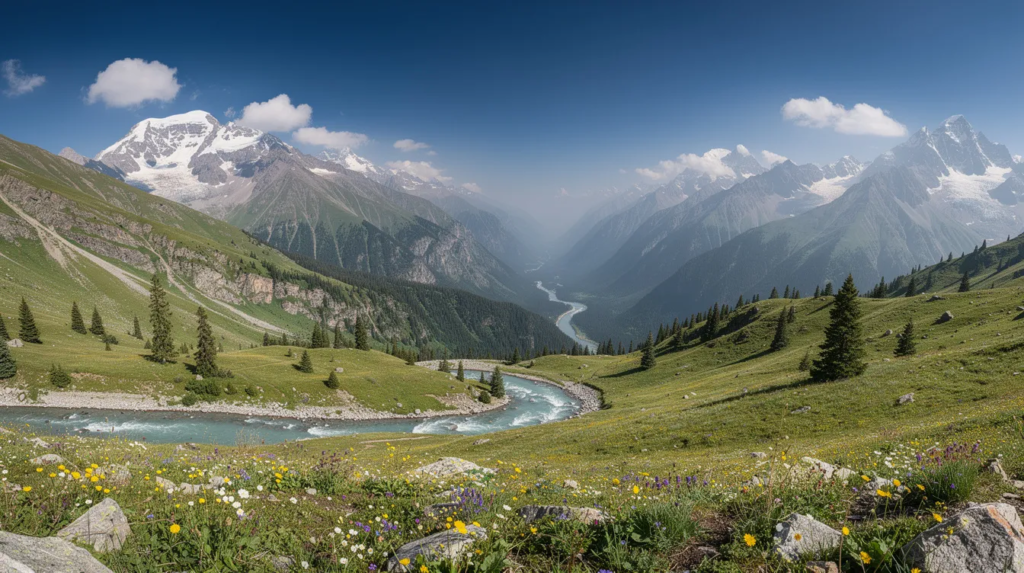
Iconic Viewpoints and Must-Try Lifts
Getting around Chamonix in the summer is a breeze – just hop on a cable car, gondola, or cogwheel train and whoosh, you’re at an altitude of 3,800 metres in no time! And no mountaineering skills required – you’ll be whisked up to the high points in under 30 minutes and getting some of the most mind-blowing mountain views you’ll ever see.
If you’re planning to hit up a few of the major lifts while you’re in Chamonix, then the Mont Blanc MultiPass is worth seriously considering. It covers access to tons of attractions including Aiguille du Midi, Montenvers, Brévent, Flégère and loads more, plus local buses and trains for 1–3 day durations. Visiting three or more lifts will save you 20–50% on individual tickets.
Do make sure to get a spot on the Aiguille du Midi cable car or the Tramway du Mont Blanc if you can. Forget about a 1-hour wait if you don’t get a place early – it’s just too long of a queue. And don’t forget to check the current operating hours and seasonal dates before your trip, as they can change at the drop of a hat.
Below, we’ll cover the must-see viewpoints: summiting the Aiguille du Midi, the Step Into the Void glass box, the Panoramic Mont-Blanc gondola into Italy, the Montenvers train to the Mer de Glace glacier, and the Brévent cable car with its postcard-perfect Mont Blanc views.
Aiguille du Midi: Up to 3,842 m in Just 20 Minutes
The Aiguille du Midi cable car is the crown jewel of Chamonix in summer – in fact it’s reportedly the second most visited site in France after the Eiffel Tower. The journey whisks you up from the valley (1,035 metres) to 3,842 metres in just 20 minutes via two successive cable car stages. On clear days you can see for miles – the Bossons Glacier cascading down Mont Blanc’s flanks, the Vallée Blanche snowfields and views stretching into Italy and Switzerland.
And watch out for the thin air – even in July the temperatures at the top can hover near freezing, so sunglasses and sunscreen are a must. Round-trip adult tickets usually cost between €70 and €80 – best to check the official website before you go for up to date pricing.
Try to catch the first departures of the morning – before 9am in July and August – to beat the crowds. After that, the afternoon thunderstorms will be building over the peaks, and high winds can cause closures at short notice.
Pack Up for a Day in the Mountains: Not Just for Winter!
When it comes to packing right for a day in the Chamonix mountains, you’re gonna want to bring a down jacket or some other warm midlayer, a hat, gloves and even some sunglasses – yes even on a warm summer day – these are the essentials thatll keep you going all day long. And dont forget to move slow and drink plenty of water, some visitors can get a nasty case of altitude sickness at this height.
Step Into the Void: Glass Walkway - a Heart Stopping Experience
You cant go to Aiguille du Midi without checking out the infamous glass skywalk high up on the summit – its been there since 2013 and is included in the cost of your cable car ticket. This glass cube sticks out over a seriously deep drop of almost a kilometer, giving you the most amazing views of the glaciers and jagged Aiguilles below.
Getting on the glass walkway requires using a secure queue system thats managed by staff, youll be asked to take off your backpack and either take off your shoes or swap them for some special protective booties to prevent scratching the glass. Be warned, on really busy afternoons in July and August you might be looking at a 20-45 minute wait, or you can bail and take a look from the safer terraces and indoor viewing galleries.
An Italian Getaway - the Panoramic Mont Blanc Gondola
When the summer months roll around, usually from mid June to mid September, you can take a 30 minute ride on the Panoramic Mont Blanc gondola from Aiguille du Midi to Pointe Helbronner on the Italian side of the border. This 4-person gondola will take you across the Vallée Blanche and over the crevassed glaciers and snowfields to 3,466m, where youll have the most breathtakin views of Mont Blanc and the Géant Glacier from every angle.
But be warned – this is a separate ticket, and a pricier one at that, its been around €60-70 for the crossing, however some years the high winds have forced them to close the whole thing for the day, so check the forecast before you book. A good way to spend the day, is to come back through the Mont Blanc tunnel to Chamonix and take the Skyway Monte Bianco cable car from Pointe Helbronner all the way down to Courmayeur – its the ultimate two-country day trip.
A Look at the Past - The Montenvers Train and Mer de Glace Glacier
The historic red train has been taking visitors since 1909 – back in the steam days, nowadays its electric power – and takes you all the way to Montenvers station at 1,913m in just 20 minutes. From there, the views of the Mer de Glace glacier are simply stunning, although sadly the glacier has shrunk dramatically over the years – its been retreating at a rate of 30m a year, and lost 120m in length since 2020 alone.
Getting to the glacier is half the fun, the cable car takes you all the way down, followed by 430 steps – or more, as the ice melts, which is then followed by the annual ice cave carved fresh into the glacier every year. The Glaciorium exhibition is an eyeopener, its worth taking some time to learn about what is happening to our planet – and seeing the procession of ice since 1900 is simply tragic.
The Refuge du Montenvers is right at the top and serves up great food with a side of amazing views. For the more adventurous types, a hike to the Signal Forbes viewpoint or the Grand Balcon Nord trail gets you even closer to the action.
Panorama Mont Blanc - Le Brévent Cable Car
Getting to the top of Le Brévent is a must if you want to get the best views of Mont Blanc and the whole massif. The gondola will take you up to 2,525m – and the views? Unbeatable. You can take pics of the whole range – framed perfectly between the Aiguille du Midi and Mont Blanc – perfect for that postcard shot. And if you time it right, you can catch the sunset on late summer evenings, when the light paints the peaks pink and gold, making it one of the best spots to watch the sun go down.
Brévent is generally a lot quieter than Aiguille du Midi – you can usually swing by on a whim without having to wait in line for hours. Several hiking trails start from here, including a route down to Les Houches (around 4-5 hours to get down) or heading towards the Aiguilles Rouges and Flégère. Just be sure to check the summer operating dates for the lifts and trails – its mid-June to mid-September most years, but be aware of potential closures on either end of that range.
Best Hikes and Walking Trails
Chamonix is widely regarded as one of Europe’s top summer hiking destinations, with well over 350 kilometres of trails crisscrossing the mountains – from a leisurely stroll through the valley to multi-day treks like the Tour du Mont Blanc. Even if rock climbing isn’t your thing, you can still get out there and enjoy the views on lifts that skip the steepest bits, and walk along the treeline on well-marked “balcony paths”.
Summer hiking in the mountains requires some basic common sense : weather can change in the blink of an eye – a clear morning can shift to an afternoon thunderstorm in a matter of hours, especially the higher you go. So that means sturdy shoes with good grip, plenty of water (at least 2 litres), decent sunscreen, and layers to keep you warm when it gets chilly – you never know what the weather will bring. Even in early June, you can still get snow on the north-facing slopes, affecting the routes.
The following sections cover my top picks for short day hikes that are perfect for active visitors: Lac Blanc, Grand Balcon Nord, Grand Balcon Sud, easy town strolls, and some insights on multi-day treks for those that want to explore deeper.

Lac Blanc: That Iconic Turquoise Lake Above the Valley
The Lac Blanc hike is easily Chamonix’s most famous day hike – at 2,352 metres in the Aiguilles Rouges Nature Reserve. On a calm day, the water’s a brilliant turquoise (thanks to all that suspended glacial rock flour) and on the right conditions, the reflections of Mont Blanc off the water make for some truly iconic photos.
The standard summer access starts with a cable car ride from Les Praz to La Flégère (1,900 metres) and then you can either add a chairlift from Flégère to L’Index if you want to save some energy on the climb. From Flégère, it takes about 2-3 hours to get out to Lac Blanc and back (around 4-6k with about 700 metres of gain). The trail is all steep switchbacks through larch forests and alpine meadows to get to the lake – it’s a decent workout.
Snow can still linger around Lac Blanc late into June or even early July on heavy snow years, so late July to early September’s the most reliable window to go. There’s a Lac Blanc refuge that runs from mid-June to mid-September, offering basic accommodation and refreshments – but be aware that its early morning or late afternoon is best to avoid the crowds and heat, and don’t even think about swimming or littering – it’s a protected nature reserve.
Grand Balcon Nord: The Balcony Trail With Plan de l'Aiguille and Montenvers
The Grand Balcon Nord trail is a real showstopper, a 6-kilometre traverse linking Plan de l’Aiguille mid station (2,317 metres) with Montenvers (1,913 metres). Taking about 2-3 hours for most hikers, this balcony path offers stunning views of the Chamonix valley below and the Aiguilles de Chamonix above – and on a clear day, the Mer de Glace reveals itself as you go along.
The scenery is all alpine meadows then rocky outcrops, with optional detours to the Signal Forbes viewpoint up above the glacier – this is a photographer’s paradise. Logistics are easy: just ride the Aiguille du Midi cable car to Plan de l’Aiguille, do the hike, then head down to Chamonix on the Montenvers train (or do it the other way round for a different view). The path is exposed in parts and a bit rocky, so you want proper hiking shoes with ankle support. Usually its snow free by early July, but every year is different.
Grand Balcon Sud and other Aiguilles Rouges trails
The Grand Balcon Sud is much like its northern counterpart – it runs about 6 kilometres between La Flégère and Planpraz on the sunny side of the valley and at roughly 2,000 metres elevation.
Lots of folks link up sections of the Grand Balcon Sud with the Lac Blanc hike, using lifts at Flégère and Brévent or Planpraz to create flexible loop or point-to-point walks lasting 4-6 hours. The Aiguilles Rouges area also has some easier family walks (short loops from Flégère taking 1-2 hours) and more strenuous ascents to lesser-known viewpoints for those wanting to escape the crowds.
The south-facing aspect of the area makes for strong sun exposure in the summer – UV radiation nearly doubles above 2,000 metres compared to sea level. That means that in July-August you’ll really need to take care to protect yourself from the sun, especially if you’re going to be out on exposed bits without any shade. Hats, good high-spf sunscreen, and plenty of water are going to become your best friends.
Easy Walks In and Around Chamonix Town
You don’t have to tackle some massive mountain on your summer holiday in Chamonix. There’s plenty of nice low-level walks that are perfect for families, or just for taking a day off, or even when it’s raining and the high lifts are closed.
The promenade along the Arve River is a flat, scenic route that follows the waters right into the heart of town – it’s a great way to while away a lazy hour or two, and it links easily to nearby villages like Argentière and Vallorcine that many visitors reach on a Geneva to Vallorcine transfer & shuttle. A loop up to Les Planards takes you past the amusement park area with the alpine coaster, playgrounds and summer activities for kids.
And then there’s the walk to Lac des Gaillands (about an hour each way), which rewards you with beautiful views and a glimpse of Mont Blanc, as well as a chance to try your hand at rock climbing (there are over 100 routes graded 4a-7b that are perfect for beginners), all within easy reach of bases like Les Carroz served by a Geneva to Les Carroz transfer & shuttle.
These low-level walks are usually just 30-90 minutes long, are really flat, and don’t require any lifts or buses – just a bit of fresh air and a good pair of walking shoes. You can combine them with a coffee stop, a visit to the bakery, or just some time in one of the local parks to make for a lovely relaxed day out between the bigger adventures.
Summer Outdoor Adventures in Chamonix - Let the Fun Unfold
Beyond just hiking and taking in a few breath-taking views, Chamonix is one of Europe’s top “adventure playgrounds” in the summer. And I mean top – water sports, aerial thrills and family-friendly activities to suit every single adrenaline level.
Most of the activities kick off from late May or June and go right through to early September, and are all run by licensed guides who live and work in and around the Chamonix centre and Les Houches areas. The Chamonix Tourism office holds a list of the certified operators, so you can book with confidence.
Some of the key adventures I’m covering here include paragliding, white water rafting and hydrospeed on the Arve River, canyoning, mountain biking, via ferrata and rock climbing, and the thrilling Chamonix Luge Alpine Coaster.
Before you book, just make sure to check the minimum age requirements, whether or not you need to be a strong swimmer for the water sports, and that your travel insurance covers you for adventure sports – because standard policies often don’t cover activities like heliski or paragliding.
Paragliding Over the Chamonix Valley - What a Blast!
Tandem paragliding flights are right up there with the top summer experiences in Chamonix. Take offs usually happen from either Planpraz (Brévent) or Plan de l’Aiguille, depending on the wind and which company you’ve booked with.
Flights are usually around 15-30 minutes in the air, and your pilot will be with you the whole time, pointing out the breathtaking views of Mont Blanc and the Bossons Glacier as you soar above the valley. And if you time it right, you can catch a whole bunch of colourful wings floating about in the sky on a clear summer afternoon. The best bit? It’s suitable for complete beginners – you just need to run about 10-20 metres to get started, after which the pilots take over.
Prices start from around €120-€160 per person, with photo and video packages available for an extra €50. If you’re planning on visiting in July or August, you might want to book ahead as the weekends get pretty popular, but weekday slots usually have a bit more availability.
Rafting & Hydrospeed Down the Arve River
The Arve River runs right through Chamonix and is the perfect place to get your white water fix in the summer. The rapids are mostly Class II-III, which makes them suitable for families with kids who are a bit older (usually 10+ years old).
Rafting trips are usually half-day affairs, with all the wetsuits, helmets and guides included in the price, which is around €50-70 per person. Hydrospeed (which is basically riverboarding or body-surfing using a foam board and fins) is a more adrenaline-fueled option, and costs around €60 per person. Just bear in mind that the water is pretty cold year-round, what with being fed by glacier melt and all, so thick wetsuits are standard issue.
Trips can get affected by heavy rain or extreme meltwater levels, but reputable operators will keep an eye on the flows and let you know if it’s safe to go or not. If you’re planning on visiting in July or August, book ahead to avoid the crowds on the weekends.
Canyoning & Other Water Activities
Canyoning near Chamonix is a real adrenaline rush – you’ll be sliding, jumping and abseiling down waterfalls and natural rock slides in narrow gorges, usually just a 30 minute drive from town. Your guides will provide all the technical gear (wetsuits, harnesses, helmets etc.) and many excursions are half-day trips (€70-90) that are suitable for adventurous beginners, with jumps ranging from 5-15 metres.
Other water-based activities you can try nearby include kayaking and stand-up paddleboarding on calmer stretches of water. Lac de Passy (about 30 minutes by car) is a great spot to rent paddleboards and take in the views of Mont Blanc.
Just bear in mind that some of these activities do have minimum age and fitness requirements, so make sure to check before you book.
Mountain Biking & E-Biking in the Chamonix Valley
Chamonix and the surrounding valley have over 300 kilometres of trails for mountain bikers of all skill levels, from singletrack through forests to lift-assisted downhill routes. Several lifts allow bikes on specific lines, with designated bike parks around Les Houches and Le Tour/Charamillon offering marked downhill tracks when open.
You can rent standard mountain bikes (€40-70/day) or e-MTBs (€80+/day) in town. Guided tours will take you gradually through alpine meadows to viewpoints and refuges, making big days accessible without needing elite fitness. E-bikes have really opened up these experiences to a much wider range of riders.
Just remember to wear a helmet, and if you’re planning on doing any downhill riding, knee and elbow pads are a good idea. Also keep an eye on which lifts accept bikes (the rules can change by season and day) and follow the trail grading systems – and always respect shared-use trails where hikers have priority.
Via Ferrata & Outdoor Climbing in the Mont Blanc Range
Via ferrata is Italian for “iron path” – it refers to climbing routes equipped with fixed cables, ladders and bridges that let non-climbers experience cliffs safely using a harness and lanyard system. These routes originated in the Alps and remain super popular throughout the Mont Blanc range.
Well known for its local via ferrata routes is Via Ferrata des Evettes and Via Ferrata de Curalla, situated near the Passy/Plateau d’Assy, about a 30 – 40 minute hike from Chamonix. This area offers routes for all levels, from gentle (PD) to demanding (D), with most routes taking 2-4 hours to complete.
For those looking for beginner routes, we recommend joining a group or hiring a certified guide. The bare essentials of a via ferrata kit (helmet, harness, shock-absorbing lanyard) must be had – and you can rent this gear at a local Chamonix shop for around €20–30.
For something a bit more relaxed, a visit to the bolted crag at Lac des Gaillands offers over 50 easy routes to try, as well as picnic spots & parking to rest your feet. Its a popular practice site for local guides & climbers of all abilities, with routes starting at grade 4a.
Chamonix Luge Alpine Coaster and some Family Fun
The Chamonix alpine coaster at Parc de Loisirs des Planards has a 1,300m rail-mounted sled ride that runs all year round – a top pick for families & non-hikers in search of a thrill without having to ascend to dizzying heights.
Each ride accommodates 1 or 2 people in the sled, with your own hand-brake to control your speed. Then there’s the short chain-haul up the mountain, followed by a twisting, turning, small jumps kind of ride down the other side. Its a bit like a roller coaster, but on rails – and a lot closer to your armpits than you might expect from a ‘coaster’!
Rides are approx €8 each descent, and you can get a discounted multi-ride pass (check the current prices before you go). The surrounding area and park include plenty for younger kids to get stuck into, making this a great late-afternoon or rest-day thing to do combined with a short stroll through the town or a visit to the local farmers market.
More relaxed Chamonix Experiences, Food, and Culture in the town
Chamonix is more than just hardcore sports, the town itself is pretty special in the summer – cafés spill onto the streets, restaurants are serving up hearty mountain grub, and the streets are perfect for strolling off after a big day on the trails.
Loads of people find that after a big mountain day you start looking forward to more laid-back things – pottering round the historic centre, sampling some local Savoyard cuisine, browsing gear shops or just sitting watching the sunset paint Mont Blanc pink while nursing a cold beer. This bit is all about the cultural and foodie side of things.
Strolling Through Chamonix’s old Town Centre
The town centre itself has loads of history & atmosphere All the main streets like Rue du Dr Paccard & the central square Place Balmat are lined with bakeries, outdoor gear shops, & hotels dating back to the golden age of mountaineering.
Some of the key landmarks to look out for are the Église Saint-Michel & the statue of Michel-Gabriel Paccard & Jacques Balmat – the lads who made the first recorded ascent of Mont Blanc back in 1786. If you take a view from above you can see the Arve river snaking its way through town, with Mont Blanc sticking way up high in the background.
Spend a few hours one afternoon or evening just ambling round, checking out the gear shops & taking a sit down on a street-side café. The town has a really nice mix of local mountain village life & international resort vibes – it’s a bit of a unique combo that you won’t find in some of the more polished alpine villages.
Savouring Savoyard Food, Fondue, and Mountain Treats
The standard Savoyard cuisine is all about hearty cheese-based dishes – perfect after a long hike, even in the summer when it gets chilly at night. Don’t leave Chamonix without trying at least one proper cheese dish.
Some must-tries include fondue Savoyarde (melted Emmental & Comté with bread for dipping), raclette (scraped melted cheese over potatoes), tartiflette (Reblochon cheese baked with potatoes & bacon), & diots (Savoyard sausages, often cooked in white wine). For dessert, local blueberry tarts are a nice way to cap off a good meal.
Look for some of the more atmospheric restaurants in the centre & nearby towns – some have outdoor areas with Mont Blanc views. Lunchtime set menus are usually a bit better value than the evening peak rates. Make a reservation for July-August if you can – and be aware that loads of French kitchens take a bit of a siesta between lunch & dinner.
Local Beers, Cafés, and a Sunset Drink
Chamonix now has its own growing craft beer scene – several local breweries and bars serving up local ales alongside other French wines & some pretty creative cocktails. There’s nothing quite like settling onto a street-side café after a day’s hiking with a cold drink & the view of Mont Blanc getting all pink & orange as the alpenglow takes over.
Find a spot with a straight-line view of Mont Blanc or Aiguille du Midi & you’ll be in for a treat – the terraces on Avenue Michel Croz & near Place Balmat are pretty spot on for an evening apéro as the sun finally drops below the horizon at about 21:30 in July.Coffee culture has a good home here too.
You can find all sorts of specialty cafes tucked away in the town and perched in mountaintop chalets along the chairlifts, serving up espresso, hot chocolate, and crêpes with simply incredible views of the valley – exactly what you need to refuel on a mid-hike break.
Museums & Indoor Options for Rainy Days
Those mountain storms & your fair share of rainy days can be pretty common here, making Chamonix’s tiny museums & indoor spots a lifesaver when the clouds roll in over the higher lifts.
The Musée Alpin (Alpine Museum) is well worth a visit – it’s housed in an old hotel building & it takes you on a journey through the history of alpinism, from the early tourists who first roughed it up here, right through to the modern era of winter sports.
They’ve got all sorts of vintage kit, old maps & photos that really bring the first ascents to life. And if you’re into geology, the Musée des Cristaux (Crystal Museum) will blow your mind – they’ve got all sorts of brightly-coloured Alpine minerals from the Mont Blanc massif on display.
If the weather turns, why not combine a museum visit with a leisurely lunch or a bit of pampering at a spa ? That’s especially worth doing in June and September when those afternoon storms can hang around for a bit longer.
Markets, Shopping, And Some R&R
Every week the farmers market (which usually goes down on a Saturday morning on Place du Mont Blanc) brings all sorts of local producers from the Savoie region in – cheeses, charcuterie, honey, jams, fresh fruit & all the veggies that are in season.
It’s the perfect chance to pick up some bits for a picnic or grab some local goodies to bring back home instead of shopping in the souvenir shops, especially if you’re using a Geneva to Les Contamines transfer & shuttle and want to stock up before or after time in neighbouring valleys.
Chamonix is a shopper’s paradise if you need to restock, replace some gear or just pick up a few local brands, whether you’re based right in town or staying in quieter hamlets like Les Bois or Les Bossons reached via a Geneva to Les Bois transfer shuttle or a Geneva to Les Bossons transfer & shuttle. Most of the staff at the outdoor gear shops are proper mountain people & they can offer some really useful advice.
If you’re feeling knackered after a big hike, book a spa day or get a day pass at one of the hotel spas or the wellbeing centres – plenty of them have pools, saunas & hot tubs with views of the mountains to boot.
The Best Day Trips From Chamonix in Summer
Chamonix’s location right on the French, Italian and Swiss borders makes skipping over the border a total breeze. Not only that, but the road and tunnel connections are so straightforward you can easily have breakfast in France, grab lunch in Italy, and be back in Chamonix for dinner with Mont Blanc still shining bright in the evening sky.
With a car at your disposal, or an organised shuttle to help you get around, you can easily reach places like Courmayeur and Aosta in Italy, Geneva in the Swiss Alps, or the beautiful lakes like Lac de Passy for a change of scenery and a taste of a different culture – a pre-booked Geneva to Courmayeur transfer shuttle can make cross-border logistics even smoother. Some day trips can be done on public transport, but the flexibility of driving yourself really comes into its own on long summer days.
Courmayeur, Italy: Over the Mont Blanc Tunnel
Across the Italian border, just 30 to 45 minutes drive from Chamonix via the Mont Blanc Tunnel (around €48-55 to get through the tunnel, and always check for road closures or maintenance before you head out), is the charming town of Courmayeur.
Courmayeur has the most picturesque cobbled streets, loads of Italian cafes to grab a coffee, and gelato that tastes just a little bit better on the Italian side. Summer brings access to day hikes in the beautiful Val Veny and Val Ferret, and the Skyway Monte Bianco cable car that whisks you up to the 3,466-metre high Pointe Helbronner. A classic day trip combines the stunning views from the Skyway, a delicious Italian lunch, and an early evening return to Chamonix – all in one day.
Aosta, Italy: Ancient Roman Ruins and Alpine Streets
Aosta, the capital of the Valle d’Aosta region, is about 1.5 to 2 hours from Chamonix by car or bus (usually via Courmayeur and the Mont Blanc Tunnel). That makes it a bit of a long day out, but well worth it if you’re into history. The town has some incredible Roman remains, including the Arch of Augustus and a Roman theatre, all set against a backdrop of medieval streets and lively piazzas with the mountains towering above.
Compared to Chamonix it’s a total different vibe: more urban, more Italian language and food, and a real focus on history rather than just outdoor activities – perfect for a break from the hiking trails.
Geneva, Switzerland: Escape to a Lakeside City
Geneva is about an hour and a half from Chamonix by car or shuttle bus (around 80-90 kms), and loads of visitors fly into Geneva International Airport before transferring to Chamonix, making it a natural bookend to a road trip through France and the Alps.
The usual Geneva highlights include the iconic Jet d’Eau fountain spraying 140 metres high into the air, the old town with its cathedral and narrow streets, and the United Nations district at the Palais des Nations. Geneva works best as an arrival or departure day extension – spend a half day there before or after your time in the mountains, rather than trying to rush a day trip in the middle of a packed Chamonix itinerary.
It’s just a different energy altogether: cosmopolitan, lakeside, and distinctively Swiss.
Lac de Passy: A Summer "Beach" in the Alps
Lac de Passy is a bit of a surprise in the Alps – a proper summer beach experience with Mont Blanc as the backdrop. It’s a big lake, about 25 to 30 minutes drive from Chamonix near Sallanches, which itself is easy to reach on a Geneva to Sallanches transfer & shuttle before continuing up the valley or over towards La Thuile with a Geneva to La Thuile transfer & shuttle, and gets incredibly popular in July and August.
There are all sorts of facilities there, including an organised sandy beach area with lifeguards, cafes and snack bars, an inflatable water park for the kids, and rentals for pedalo and paddleboards. There are even quieter zones further from the main car parks for those who want to find a bit of peace.
This is the perfect “rest day” destination when your hiking legs need a break or the valley temperatures get too hot – it brings a bit of a Mediterranean beach feel to an alpine summer trip.
Practical Tips for Visiting Chamonix in Summer
If you’re planning a visit to Chamonix in the summer, you’ll need to pay a bit more attention to the logistics, as they’re very different from a winter ski trip. This section covers transport, trip length, money-saving passes, packing essentials, and how to deal with crowds.
Getting to Chamonix and Getting Around
The easiest way to get to Chamonix is by flying into Geneva International Airport (GVA), which is about an hour and a half from Chamonix by shuttle bus or shared transfer – dedicated services like a Geneva to Chamonix shuttle transfer make the journey simple and hassle-free. If you’re coming from a bit further afield, like Lyon or Turin, it’s more sensible to get a rental car, as the travel time is around 3 hours.
Within the valley, the Mont Blanc Express train links all the towns from Saint Gervais to Vallorcine, and local buses (lines 1 and 2) run regularly between Les Houches, Chamonix, and Le Tour, which is especially handy if you’re staying down-valley and arriving on a Geneva to Les Houches transfer shuttle. Loads of the local accommodations give you a Chamonix Guest Card that lets you travel for free or at a discounted rate – always make sure you carry it if you’re using buses and trains.
To be honest, relying on public transport in the valley makes a lot of sense – parking in peak season is a nightmare, and the lifts and trailheads are all very well connected. Plus, you won’t miss having a car for the core Chamonix experience.
How many days in Chamonix summer?
A minimum of 3 full days will do the headline attractions: visit Aiguille du Midi one day, check out Montenvers and Mer de Glace another, and then tackle a classic day hike like the Lac Blanc hike or Grand Balcon Nord trail. If you cram it all in, you’ll leave satisfied but with a nagging feeling you’ve left lots out.
Five to seven days lets you fit in multiple hikes at different difficulty levels, take a day trip to Italy or Geneva, try some adventure activities, and give yourself some wiggle room for the weather. Most visitors can realistically squeeze in 1 or 2 major activities per day in July and August, bearing in mind lift queues and the tendency for the weather to go downhill in the afternoons.
If you’re planning to stay for four days or longer, it’s worth leaving at least one ‘flex day’ free so you can shift your marquee activities to the best weather windows. And if you’re really keen on clear skies, it’s worth waiting an extra day for the Panoramic Mont-Blanc gondola and Aiguille du Midi summit.
Passes, Tickets, and Saving Money
Individual lift tickets to Chamonix’s major viewpoints add up quickly:
Attraction | Approximate Adult Price |
|---|---|
Aiguille du Midi | €70–€80 |
Panoramic to Italy | €60–€70 additional |
Montenvers Train | €35–€40 |
Brévent | €30–€35 |
Flégère | €25–€30 |
The Mont Blanc MultiPass bundles up multiple lifts and local transport for 1-21 days. If you're planning to hit 2-3 of the top lifts in a row, the MultiPass will usually save you €30-60 compared to buying individual tickets - keep an eye on pricing at the official Chamonix lifts website. |
Attraction
Approximate Adult Price
Aiguille du Midi
€70–€80
Panoramic to Italy
€60–€70 additional
Montenvers Train
€35–€40
Brévent
€30–€35
Flégère
€25–€30
The Mont Blanc MultiPass bundles up multiple lifts and local transport for 1-21 days. If you’re planning to hit 2-3 of the top lifts in a row, the MultiPass will usually save you €30-60 compared to buying individual tickets – keep an eye on pricing at the official Chamonix lifts website.
Accommodation often gives away a Chamonix Guest Card (Carte d’Hôte) which gets you free local train travel and bus discounts. Don’t forget to carry it whenever you’re out and about.
Weather, Altitude & What to Pack
Summer valley temperatures in July and August usually top out at 20-28°C but at Aiguille du Midi (3,842 metres), it’s more like – if it’s midsummer, that is .
That rapid altitude gain from 1,035 metres to over 3,800 metres in 20 minutes can cause some shortness of breath, mild headaches, or dizziness. Not everyone gets it, but about 20-40% of people who rush to the top find themselves a bit light-headed. Take it easy at the summit, drink plenty of water (3-4 litres on active days), and try not to overdo the booze on big altitude days.
What you’ll need to pack:
Tread carefully with your hiking shoes or light boots. Good grip is a must.
Bring breathable hiking clothes and base layers to keep you comfortable.
An insulating mid-layer and a light down jacket will keep you just right.
Waterproof gear (rain jacket and trousers) is a must.
You’ll need a hat and gloves for high-altitude excursions and a sunhat for valley days.
Get good quality sunglasses that can handle the UV-busting sunshine above 3,000m.
A high-SPF sunscreen (50+ is pretty standard) will be your friend.
A refillable water bottle (at least 2L capacity) is a must.
A small daypack should be enough to carry everything in.
Be warned: storms can roll in pretty quickly, even on hot days. Check multiple weather forecasts and mountain webcams each morning and be prepared to change your plans if clouds start gathering.
Booking, Crowds & Seasonal Considerations
The peak summer season runs from early July to early September with maximum lift operations, long daylight hours (up to 16 hours in mid-June to mid-July), and loads of visitors. The Ultra-Trail du Mont Blanc (UTMB) in late August brings in around 10,000 runners and spectators, which can make accommodation a bit tricky and the town feel like a carnival.
Book your accommodation, key lift reservations, and popular guided activities well in advance for late July and August – we’re talking weeks or months ahead. And if you’re set on a morning slot or the Tramway du Mont Blanc, you might need to plan ahead two weeks or more in advance during peak periods.
June and September are a bit quieter, but you’ll still save 20-40% on accommodation prices. However, some lifts and refuges might only operate on limited hours or be closed altogether, and higher trails like Lac Blanc can still be a bit snowy in early July in a really snowy year. Less crowds, lower prices, but you do take a bit of risk.
Build some flexibility into your itinerary rather than trying to cram too much in, and shift your marquee activities to when the weather’s best. And if the lifts close due to wind or storms, have some town-based alternatives up your sleeve. With a bit of planning and being adaptable, summer in Chamonix has loads to offer – from glacier viewpoints to valley strolls, and from Merlet Animal Park visits for families to multi-day trekking for the more adventurous.
The mountains have a way of rewarding you. Get started on your itinerary, book those key lift reservations early, and get ready for the summer trip of a lifetime in one of the world’s greatest alpine destinations.